What does commercial rekeying involve when the hardware is the issue?
When a commercial door problem appears to be a lock issue, the real culprit is often a piece of hardware elsewhere in the door assembly. A lock that sticks, a handle that feels loose, or a door that does not close fully can all be traced back to a worn hinge, a misaligned strike plate, or a faulty door closer. Understanding which hardware components can cause these symptoms helps a business owner decide whether a simple adjustment is enough or whether professional commercial rekeying and hardware service is needed.
Hardware problems that mimic lock failures
A common scenario is a door that will not latch properly. The lock turns freely, the bolt extends, but the door bounces open again. The instinct is to blame the lock cylinder or the latch itself. More often, the issue is with the door closer. A closer that is set too fast can slam the door, causing the latch to miss the strike plate entirely. If the closer drags or is out of adjustment, the door may not close with enough force to engage the latch. The fix is not a new lock but a closer adjustment or replacement.
Another frequent problem is a handle or lever that feels stiff or does not return to its horizontal position. This can be caused by a worn spring inside the lock body, but it can also come from a misaligned door. Over time, a building settles, hinges loosen, or the door sags. The latch no longer aligns with the strike plate, and the handle has to be lifted or pushed to get the latch to clear. A locksmith can diagnose whether the issue is in the lock mechanism or in the door alignment. If the door is sagging, tightening the hinge screws or adjusting the hinge position may solve the problem without any lock work.
A third hardware-related issue is a panic bar that does not activate the latch. Panic bars on storefront doors use a push pad connected to a horizontal rod or a vertical rod system that retracts the latches at the top and bottom of the door. If the bar feels loose or does not release the latches, the problem is often in the rod linkage or the latch assembly itself, not in the lock cylinder. The cylinder may still turn, but the bar will not disengage. In such cases, a locksmith can inspect the bar mechanism, adjust the linkage, or replace a worn part before considering a rekey.
When commercial rekeying is still the answer
Even when the immediate symptom is a hardware fault, commercial rekeying may be part of the solution if the business needs to update its key system. For instance, if a storefront door has a worn panic bar that is being replaced, the new bar may come with a different cylinder. Having the locks rekeyed to the existing master key system avoids the hassle of issuing new keys to employees. Similarly, if a door closer is replaced and the door now closes perfectly, but the lock cylinder is old and worn, rekeying the cylinder to the same key ensures that the hardware upgrade does not create a security gap.
Another scenario is a business that has grown and now has multiple doors with different keys. The hardware on each door may be fine, but the key management becomes a burden. Rekeying all the cylinders to a single master key system simplifies access for employees while maintaining different access levels for different doors. In this case, the hardware is not the problem, but the rekeying service is the solution. A locksmith can rekey the commercial cylinders on all the doors, including those with panic bars, door closers, and access control systems, so that one key works everywhere it should.
Hardware that affects lock performance
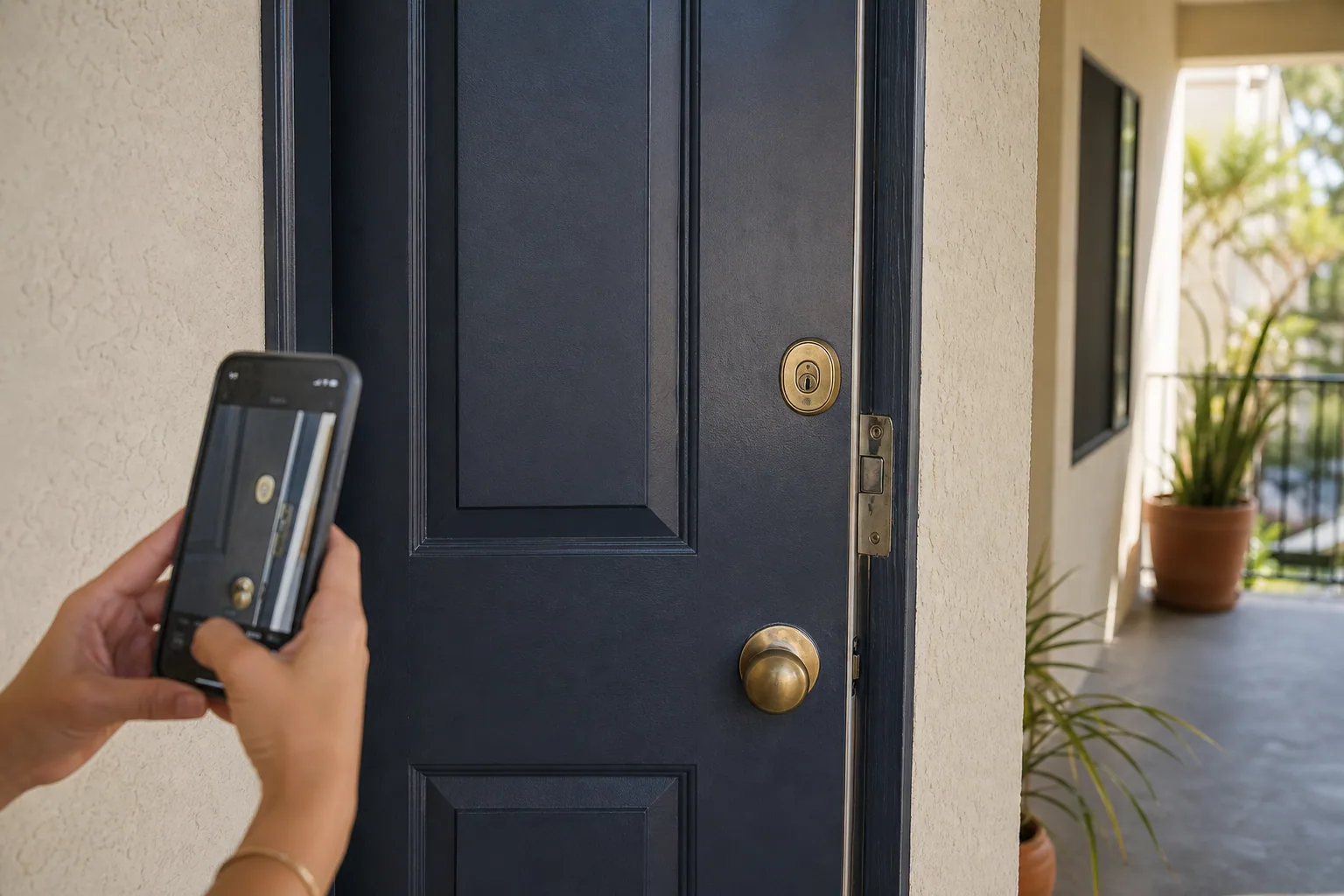
Several hardware components directly affect how a lock performs. A door closer that is too strong can put extra stress on the latch and the lock cylinder, causing premature wear. A closer that is too weak can leave the door ajar, making the lock ineffective. A strike plate that is misaligned by even a few millimetres can prevent the latch from engaging fully, leading to a door that appears locked but can be pushed open. A hinge that is loose or has worn pins can allow the door to sag, throwing the lock out of alignment. A key cabinet that is mounted too close to the door can interfere with the lock's operation if the door swings into it.
Each of these hardware issues can be diagnosed without replacing the lock cylinder. A qualified locksmith can check the door alignment, adjust the strike plate, tighten hinges, and adjust the door closer before deciding whether a rekey is necessary. This approach saves money and avoids unnecessary work.
Master key systems and hardware compatibility
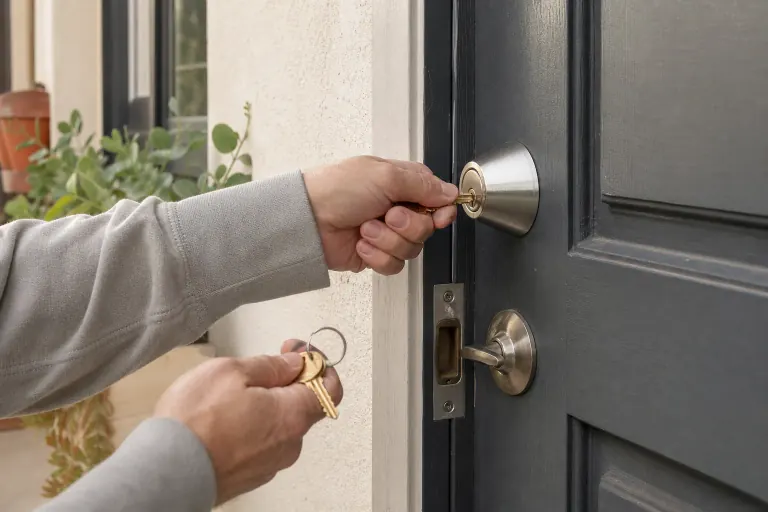
When a business has a master key system, hardware changes must be compatible with the existing keying scheme. A new panic bar that comes with a different cylinder type may require rekeying that cylinder to match the master key. The same applies to a new door closer that has an integrated lock or a storefront door with a mortise lock that needs to be rekeyed. A locksmith who understands commercial rekeying can ensure that all hardware upgrades maintain the integrity of the master key system.
For businesses that use access control systems, the hardware may include electric strikes, magnetic locks, or keypads. If the access control is integrated with a mechanical lock, rekeying the mechanical cylinder to match the access control schedule is part of the overall security plan. The hardware and the lock must work together, and a professional locksmith can coordinate both.
When to call a locksmith
A business owner who notices a door that does not close or lock properly should first check the obvious things: is the door closer arm bent? Are the hinge screws tight? Does the strike plate look aligned? If those checks do not reveal the problem, or if the door is part of a larger key system, it is time to call a locksmith. A locksmith can diagnose whether the issue is hardware or lock-related and recommend the appropriate service, whether it is a closer adjustment, hinge replacement, or commercial rekeying.
For businesses in Los Angeles, a reliable connection service like rrlocksmithlosangeles.com can help find available providers who specialise in commercial locksmith work. These providers can handle everything from rekeying a single cylinder to installing a new master key system and adjusting the hardware on a storefront door.
Preventive maintenance for commercial doors
Regular maintenance can catch hardware problems before they affect lock performance. Lubricating hinges and latches, checking door closer adjustments, and inspecting strike plates for wear are simple tasks that can be done during business hours. A yearly inspection by a locksmith can identify potential issues with the lock cylinder, the panic bar, or the access control system. This proactive approach reduces the likelihood of a lock failure that disrupts business operations.
The bottom line
Commercial door problems often have a hardware root cause, not a lock failure. A sticking handle, a bouncing door, or a loose panic bar are signs that something in the door assembly needs attention. Before assuming the lock is faulty, check the door closer, hinges, and strike plate. If the hardware checks out, commercial rekeying may be the right solution to update the key system or to ensure that all cylinders work with a master key. For business owners in Los Angeles, a connection service like rrlocksmithlosangeles.com can point them to qualified locksmiths who can diagnose the issue and provide the appropriate service, whether it is a hardware repair or a rekey.